

Empowering Yourself Through Pelvic Floor Physiotherapy
Pelvic floor physiotherapy is an often-overlooked yet vital aspect of health and wellness that focuses on the muscles and connective tissues supporting the pelvic organs. These muscles play a crucial role in various bodily functions, including bladder and bowel control, sexual function, and even core stability. Despite its importance, many individuals are unaware of the benefits that pelvic floor physio can provide, making it essential to shed light on this specialized area of physiotherapy.
One of the primary reasons pelvic floor physiotherapy is important is its role in addressing common issues that can arise for both men and women. Conditions such as urinary incontinence, pelvic pain, or prolapse can significantly impact an individual’s quality of life. Many people may feel embarrassed or hesitant to discuss these issues, often believing they are a normal part of aging or childbirth. However, pelvic floor physiotherapists are trained to assess and treat these conditions in a compassionate and supportive environment. Through targeted exercises and techniques, they help individuals strengthen their pelvic floor muscles, restore function, and alleviate discomfort. This can lead to improved confidence and a greater sense of control over one’s body.
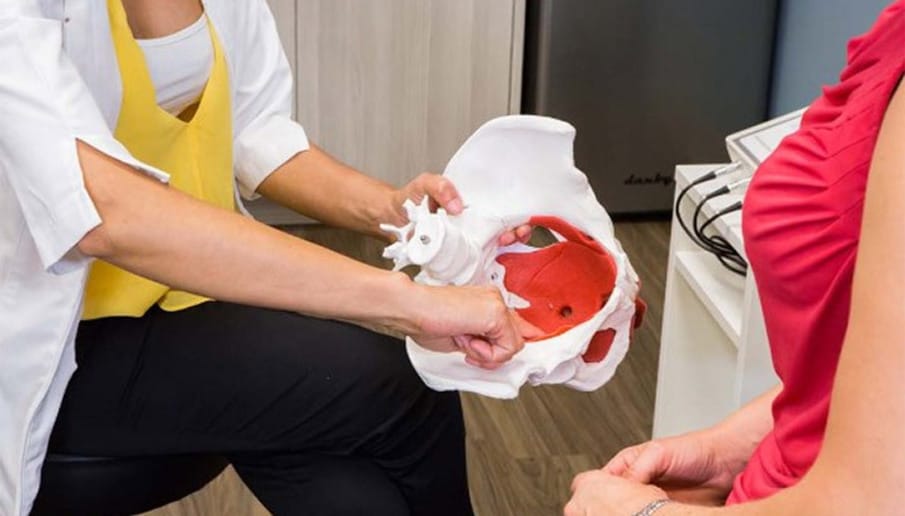
Additionally, pelvic floor physiotherapy can be beneficial during pregnancy and postpartum recovery. During pregnancy, the body undergoes significant changes that can place strain on the pelvic floor. Engaging in physiotherapy can prepare expectant mothers for labor and delivery while also addressing any discomfort they may be experiencing. After childbirth, many women face challenges related to pelvic floor weakness or pain. A pelvic floor physiotherapist can provide tailored rehabilitation programs to support healing and help new mothers regain strength and function. This not only enhances physical well-being but also fosters emotional resilience during the transition into motherhood.
Moreover, pelvic floor physiotherapy is not just for those experiencing issues; it can also be a proactive approach to maintaining overall pelvic health. Regular assessments and exercises can help strengthen the pelvic floor, prevent dysfunction, and promote optimal core stability. This is particularly valuable for athletes and active individuals who rely on a strong core for performance. By prioritizing pelvic floor health, individuals can enhance their physical capabilities and reduce the risk of injury.
In conclusion, pelvic floor physiotherapy is a crucial component of health that deserves more recognition. Its importance spans various life stages and conditions, making it a valuable resource for anyone looking to improve their quality of life. Whether addressing specific issues or taking a proactive approach to wellness, engaging with a pelvic floor physiotherapist can lead to lasting benefits for both physical and emotional health.