

Safeguard Your Home from the Ground Up
Water damage doesn’t always begin with a dramatic flood—it often starts silently in the backyard. Pooled water, soggy patches, and overflowing gutters might seem minor, but over time, these signs can lead to costly structural issues, eroded soil, and damaged landscaping. Preventing these problems starts with smarter drainage. A well-designed system doesn’t just move water; it manages it in a way that protects both property and peace of mind. So, how does a French drain work and why is it helpful?
Backyards are meant to be enjoyed, not constantly monitored for water pooling after every storm. When water lingers on the surface, it’s not just an eyesore—it’s a hazard. Moisture that seeps too close to the home’s foundation can weaken it, especially if cracks allow water to sneak inside. To stop water damage before it begins, it’s essential to take a proactive approach.
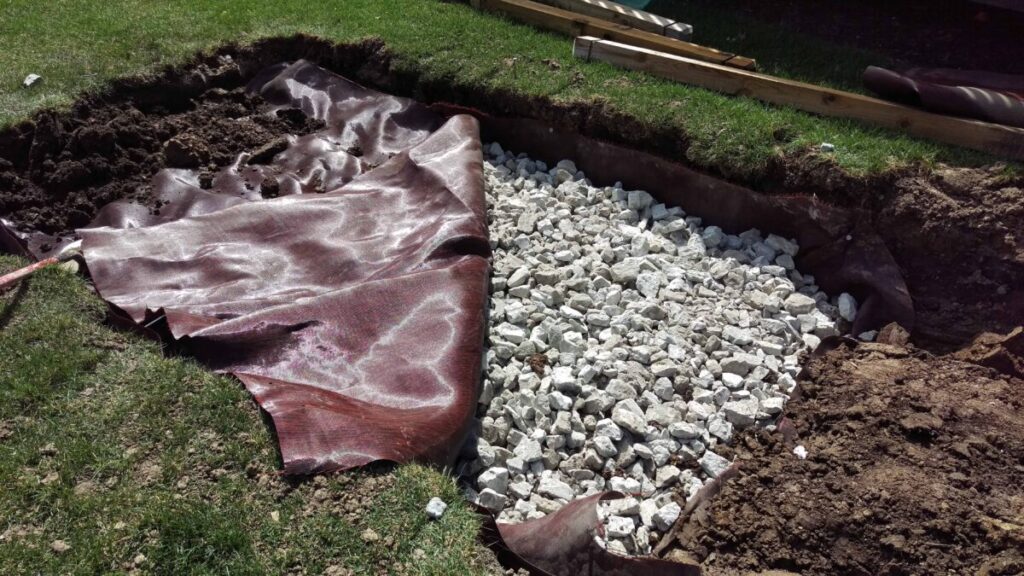
Techniques like surface grading help slope the yard away from structures, while underground solutions like French drains or dry wells tackle excess water with long-term efficiency. Even areas prone to runoff can be transformed into drainage-friendly zones with thoughtful planning.
What makes a backyard drainage system truly effective is its ability to work in harmony with your landscape. Whether it’s integrating decorative rock channels or using catch basins disguised under turf, today’s solutions are more seamless and aesthetically pleasing than ever. The goal is to move water out of harm’s way—quietly, consistently, and without drawing attention. For homeowners who want lasting protection, an expert drainage assessment can make all the difference. Every yard is unique, and the right solution should fit the specific challenges of the terrain. Don’t wait for damage to make its mark. Take control early and create a yard that stays beautiful, dry, and safe no matter what the weather brings.